mobile Ansicht, to the English Version tap the flag

- Republik Estland
- präsidiale Republik
- Eigenbezeichnung: Eesti Vabariik
• Flaggen
• historische Flaggen
• regionale Flaggen
– Livland
• Bedeutung/Ursprung der Flagge
• Wappen
• historische Wappen
• Bedeutung/Ursprung des Wappens
• Flugzeugkokarde
• Landkarte
• Zahlen und Fakten
• Geschichte
• Ursprung des Landesnamens
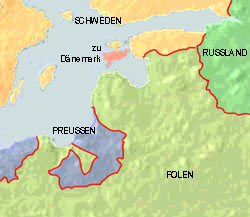
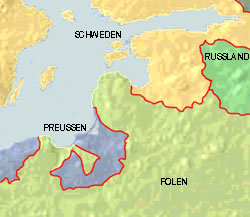
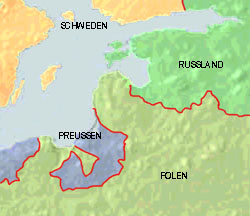
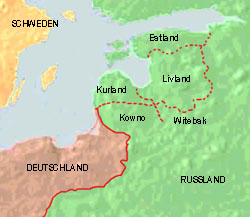
• Landkarten zur Geschichte des Baltikums

National- und Handelsflagge,
Seitenverhältnis = 5:8,
Quelle, nach: Flaggen-Atlas Erde


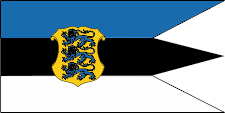
Marineflagge,
Seitenverhältnis = 1:2,
Quelle, nach:
Wikipedia (DE)

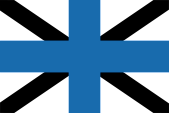
Gösch,
Seitenverhältnis = 2:3,
Quelle, nach: Wikipedia (DE)
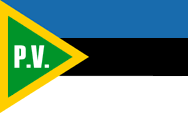
Flagge des Grenzschutzes,
Seitenverhältnis = 5:8,
Quelle, nach: Flags of the World
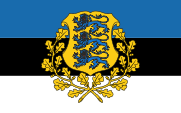
Flagge des Präsidenten,
Seitenverhältnis = 5:8,
Quelle, nach: Flags of the World
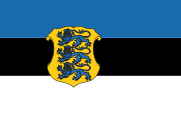
Flagge des Verteidigungsministers,
Seitenverhältnis = 5:8,
Quelle, nach: Flags of the World
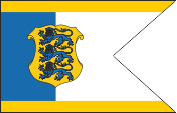
Flagge des Oberbefehlshabers,
Seitenverhältnis = 5:8,
Quelle, nach: Flags of the World

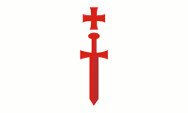
1230–1237,
Flagge Schwertbrüderorden
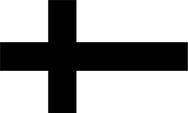
1237–1561,
Flagge Deutscher Orden
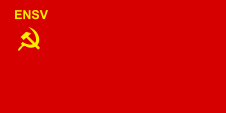
1940, 1944–1953,
Flagge der Estnischen Sozialistischen Sowjetrepublik,
Seitenverhältnis = 1:2,
Quelle, nach:
World Statesmen
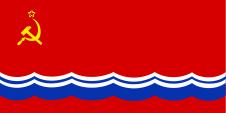
1953–1991,
Flagge der Estnischen Sozialistischen Sowjetrepublik,
Seitenverhältnis = 1:2,
Quelle, nach:
World Statesmen
siehe auch:
Flaggengeschichte der Sowjetrepubliken der UdSSR
Die blau-schwarz-weiße Flagge Estlands war ursprünglich die Flagge einer
Studentenverbindung, und wurde im Jahre 1881 das erste mal gehisst, und
schließlich 1896 verboten. Im Zuge der Erlangung der Unabhängigkeit von
Russland wurde sie am 21.11.1918 als Nationalflagge angenommen und mit der
Verfassung vom 04.07.1920 bestätigt.
Zur Erklärung der
Bedeutung der Farben gibt es viele Theorien: 1.) Das Blau steht für Treue
und Vertrauen, das Schwarz für die Ahnen und die Vergangenheit und das Weiß
für den Schnee und die Zukunft. Quelle: Flaggen-Atlas Erde;
2.) Es handelt sich um die Farben des finnischen Brudervolkes Blau und Weiß,
ergänzt um Schwarz, um an die dunkle Zeit der Leibeigenschaft zu erinneren.
Quelle: unbekannt; 3.) Blau steht für den Himmel, Schwarz für das Land und
Weiß für den Schnee. Quelle: Flaggen und Wappen der Welt;
4.) Blau steht für Loyalität, den Himmel, das Meer und die Seen, Schwarz für die Unterdrückung in der
Vergangenheit, die Erde des Landes und die traditionelle Farbe der Jacken
der Landarbeiter, Weiß steht für den Kampf und die Freiheit, Tugend, Schnee
und ist die Frabe der Birkenrinde. Quelle: Nationalflaggen der Welt.
In den Jahren der sowjetischen Okkupation (1940 und 1944–1990) wurde bis 1953 eine
einfarbige rote Flagge verwendet, darauf Hammer, Sichel und die Initialen
des Landes in Gold. Im Jahre 1953 wurde eine neue Sowjetflagge eingeführt,
die offiziell noch bis 1991 verwendet wurde, obwohl die alte Flagge bereits seit 1988
wieder erlaubt war. Durch den estnischen Historiker Indrek Kiverik wurde
festgestellt, dass im internationalen Gebrauch, und teilweise auch in
Estland selbst, bei der Gestaltung der estnischen Flagge ein viel zu dunkles
Blau verwendet wird. Hier ein Verweis auf die Estnische Reichskanzlei, wo
die Farbgebung der Flagge im CMYK-Farbraum vorgegeben ist. (=> hier klicken)
Quelle:
Flaggen-Atlas Erde,
Alle Flaggen alle Staaten
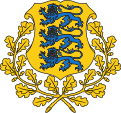
Wappen von Estland,
Quelle:
Riigikantselei, Public domain, via Wikimedia Commons
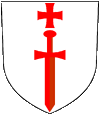
1230–1237,
Wappenschild des Schwertbrüderordens,
Quelle, nach:
Wikipedia (EN)
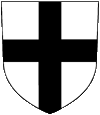
1237–1561,
Wappenschild des Deutschen Ordens,
Quelle, nach:
Wikipedia (EN)
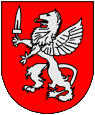
1629–1721,
Wappen von Livland,
Quelle, nach:
Wikipedia (EN)
Das Wappen von Estland stammt aus dem Jahre 1918 und zeigt einen goldenen Schild mit drei untereinander angeordneten Löwen, umgeben von Eichenzweigen. Es ist ursprünglich das Wappen der Stadt Reval (Tallin), welches wiederum vom Wappen des Staates Dänemark entlehnt ist. In der Zeit, in der Estland zur Sowjetunion gehörte, war ein sowjetisches Modell in Verwendung, welches dem Wappen der Sowjetunion ähnelte. 1989 wurde das Wappen von 1918 wieder gültig. Während des Zweiten Weltkriegs, in der Zeit der deutschen Besetzung zwischen 1941 und 1944 hatte Estland offiziell keine eigenen Hoheitszeichen. Es gehörte zum Reichskommissariat Ostland, in dem die Staaten den Baltikums und Teile des heutigen Nordwestens von Weißrussland zusammengefasst waren. Die Estnische Legion, die im Zweiten Weltkrieg freiwillig an der Seite des Deutschen Reiches gegen die Sowjetunion kämpfte trug als Ärmelabzeichen einen goldenes Schild mit drei schwarzen Löwen und dem Namen des Landes darüber.
Quelle:
Flaggen-Atlas Erde,
Alle Flaggen alle Staaten,
Avantgarde für Europa
Lesen Sie hier:
Hintergründe, Geschichte und Fakten zum Thema "Der Löwe in der Heraldik". Ausführungen, Varianten, Entwicklung, sowie Panther und Leoparden.


Flugzeugkokarde,
Quelle, nach: Wikipedia (EN)
Lage:
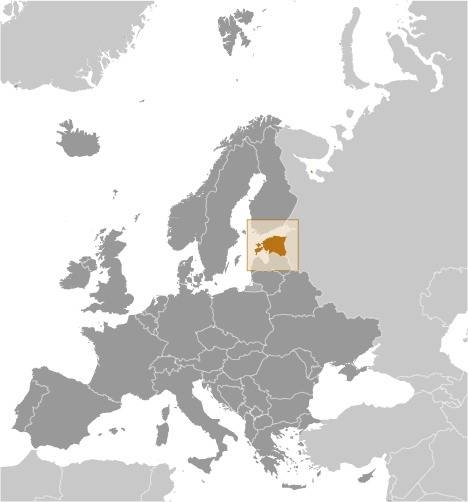
Quelle/Source: CIA World Factbook
Landkarte des Landes:
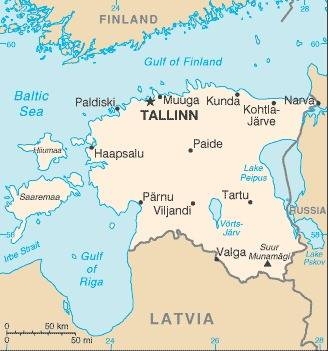
Quelle/Source: CIA World Factbook
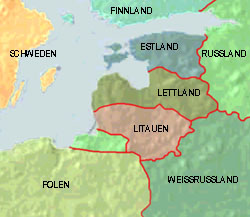
Landkarte des Baltikums:
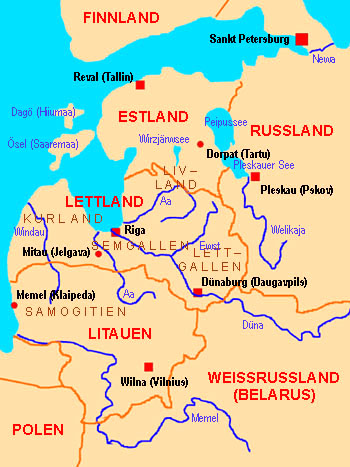
Quelle/Source: Volker Preuß
Fläche: 45.339 km²
Einwohner: 1.323.824 (2019), davon 69% Esten, 25% Russen, 3,8 % Ukrainer, Weißrussen, Finnen, Tataren, Letten, Polen, Juden, Litauer, und auch 0,1% Deutsche
Religionen: 13,6% Protestanten, 12,8% Orthodoxe, 60% Nicht-Religiöse
Bevölkerungsdichte: 29 Ew./km²
Hauptstadt: Tallinn (Reval), 434.562 Ew. (2019)
Amtssprache: Estnisch
sonstige Sprachen: Russisch
Währung ab dem 01.01.2011: 1 Euro (€) = 100 Cent
Währung bis zum 31.12.2010: 1 Estnische Krone (ekr) = 100 Senti
Zeitzone: MEZ + 1 h
Quelle: Wikipedia (D)
2000 v.Chr. · Besiedlung des heutigen Estlands durch die Esten
1202 · Gründung des "Schwertbrüderordens" in Dünamünde (heutiges Lettland)
1202–1230 · Eroberung Kurlands, Livlands, Lettgallens, Semgallens und des südlichen Estlands durch den Schwertbrüderorden, das nördliche Estland wird durch den dänischen König Waldemar II. unterworfen
1236 · Niederlage des Schwertbrüderordens gegen die Litauer
1237 · Vereinigung des Schwertbrüderordens mit dem Deutschen Orden, Kurland, Livland, Lettgallen, Semgallen und das südliche Estland kommen als Livländischer Bund mit einem eigenen Ordensmeister an den Staat des Deutschen Ordens
1346 · das nördliche Estland wird durch den Deutschen Orden von Dänemark abgekauft und dem Livländischen Bund des Deutschen Ordens angegliedert
1558–1595 · Livländischer Krieg, der livländische Ordensmeister des Deutschen Ordens wandelt Kurland und Semgallen in ein Herzogtum als polnisches Lehen um, Estland muss an Schweden und teilweise an Dänemark abgetreten werden, Livland und Lettgallen kommen direkt an Polen
1621 · Schweden erobert Livland
1629 · Livland kommt offiziell an Schweden
1710 · Nordischer Krieg, Russland erobert Livland
1721 · Frieden von Nystad, Livland und Estland kommen an Russland, Kurland, Semgallen und Lettgallen bleiben bei Polen, Estland wird ein eigenes russisches Gouvernement (bestehend aus dem nördlichen ehemals schwedischen Teil von Estland)
1914–1918 · Erster Weltkrieg: 1918 das Deutsche Reich erobert Livland und Estland
07.11.1917 · bolschewistische Revolution in Russland, Machtergreifung durch die Sowjets
24.02.1918 · Estland erklärt seine Unabhängigkeit, der Staat Estland umfasst nun das alte Gouvernement Estland einschließlich des Nordens von Livland
03.03.1918 · Russland kapituliert gegenüber dem Deutschen Reich, Friedensvertrag von Brest-Litovsk, Anerkennung des estnischen Staates durch Sowjetrussland
1924 · Niederschlagung eines kommunistischen Putsches
23.08.1939 · deutsch-sowjetischer Nichtangriffspakt, Estland wird sowjetische Interessensphäre und von der Sowjetunion besetzt
21.07.1940 · Proklamation der Estnischen Sozialistischen Sowjetrepublik (ESSR)
06.08.1940 · Aufnahme der ESSR in die Sowjetunion, Deportation von Tausenden von Einwohnern nach Sibirien
1939–1945 · Zweiter Weltkrieg: Juni/Juli 1941 Eroberung Estlands durch deutsche Truppen, Estland kommt zum Reichskommissariat Ostland, 20.000 Esten kämpfen freiwillig in einer Estnischen Legion an der Seite des Deutschen Reiches gegen die Sowjetunion, Dezember 1944 Eroberung Estlands durch sowjetische Truppen, Estland wird wieder ESSR und wird der Sowjetunion wieder angegeliedert, gewaltsame Russifizierung, Deportation von Tausenden von Esten nach Sibirien
1945–1988 · gezielte Einwanderung von Russen
1988 · Entstehung der Autonomiebewegung
30.03.1990 · Proklamation der Unabhängigkeit
1991 · die Sowjetunion erkennt die Unabhängigkeit Estlands an
1992 · neue Verfassung
1994 · Abzug der russischen Truppen
2004 · Estland wird Mitglied der Europäischen Union
Quelle: Atlas zur Geschichte,
Wikipedia (D),
Avantgarde für Europa
Der Name "Estland" geht auf das Volk der "Esten" zurück. Sie nennen sich selbst "Eestlased", was auf das Wort "Aueist" zurückgeht und "Küstenbewohner" heißt.
Quelle/Source:
Die Völker der Erde,
Atlas der wahren Namen
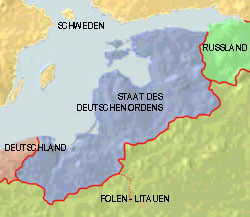
1410–1561
1561–1621
1621–1721
1721–1772
1815–1918
seit 1991
Quelle/Source: Volker Preuß